Evaluating the Boho Valentine Pattern for Modern Creative Projects
The landscape of digital design resources is vast, often leaving creators overwhelmed by the sheer volume of available assets. Among these options, the Boho Valentine Pattern has emerged as a distinct category of graphic resource that bridges the gap between seasonal thematic elements and enduring aesthetic trends. Unlike generic holiday graphics that rely heavily on bright reds and cartoonish motifs, this style integrates the earthy, organic tones of bohemian design with the romantic symbolism of Valentine's Day. For designers, crafters, and small business owners aged 20 to 50, understanding the specific utility and limitations of this pattern type is essential before integrating it into a workflow or product line.
Defining the Aesthetic and Technical Distinctions
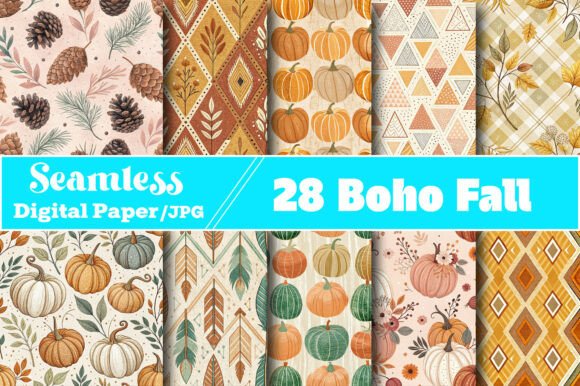
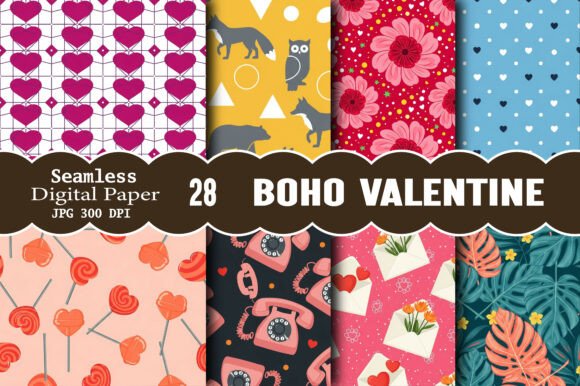
To evaluate whether the Boho Valentine Pattern is the right fit for a project, one must first understand its composition. This style typically features a muted color palette consisting of terracotta, sage green, dusty rose, cream, and warm browns. The imagery often includes hand-drawn botanical elements, abstract shapes, and vintage-inspired typography, diverging sharply from the high-contrast, saturated visuals found in traditional Valentine's assets.
From a technical standpoint, high-quality versions of these patterns are delivered as high-resolution JPG files at 300 DPI. This resolution is a critical differentiator. Many free or low-cost alternatives offer 72 DPI images suitable only for screen display. In contrast, a 300 DPI Boho Valentine Pattern is engineered for physical production. This makes it viable for sublimation printing, where image clarity directly impacts the final product quality on ceramics and textiles. The seamless nature of these files allows for infinite tiling without visible breaks, a feature that is not universal across all digital paper packs.
Comparative Analysis: Boho vs. Traditional and Minimalist Styles
When selecting a design direction, creators often weigh the boho approach against traditional or minimalist alternatives. Each style serves different market segments and project goals.
- Traditional Valentine Graphics: These usually dominate retail spaces in January and February. They are effective for mass-market appeal but often suffer from perceived cheapness due to overuse. A Boho Valentine Pattern offers a more sophisticated alternative, appealing to consumers who prefer understated elegance over overt commercialism.
- Minimalist Line Art: While popular for modern branding, stark black-and-white line art can lack the warmth required for certain home decor items. The boho style fills this gap by providing texture and depth through watercolor effects and organic shapes, making it better suited for items like pillows and tote bags where visual weight is desirable.
- Generic Digital Papers: Many downloadable papers are designed strictly for scrapbooking. However, the versatile utility of a dedicated Boho Valentine Pattern extends beyond paper crafts. Its scalability and color harmony make it adaptable for large-format prints like posters or small-scale applications like sticker designs.
The trade-off lies in audience targeting. If the goal is to capture a youthful, trend-focused demographic, the boho aesthetic is highly effective. However, for projects requiring strict corporate branding or ultra-modern tech aesthetics, the organic irregularities of the boho style may present a limitation.
Practical Applications and Material Compatibility
The true value of any graphic asset lies in its application. The Boho Valentine Pattern demonstrates remarkable versatility across various mediums, though success depends on matching the file type to the production method.
Textile and Apparel Design
For those exploring print-on-demand services or DIY apparel, this pattern excels. The earthy tones translate well onto natural fabrics like cotton and linen. It is particularly effective for cute tote bag prints and personalized pillows, where the seamless repeat ensures the design covers the material evenly. When compared to vector-based patterns, raster-based JPGs at 300 DPI provide richer color gradients, which is advantageous for watercolor-style boho designs.
Sublimation and Hard Goods
Sublimation requires precise color management and high resolution. The Boho Valentine Pattern is frequently cited as ideal for exterior tumbler and mug designs. The detailed graphics hold up well during the heat press process, unlike lower-resolution alternatives that may appear pixelated. This makes it a strong candidate for creating unique notebook covers or ceramic coasters intended as gifts.
Paper Crafts and Journaling
In the realm of physical crafting, the pattern serves multiple functions. It can be printed for mini junk journals, used as scrapbook decoupage, or cut into shapes for card making. The aesthetic aligns perfectly with the current trend of "cottagecore" and vintage-inspired planning. Furthermore, it can be scaled down to create product labels for soaps and candles, adding a cohesive brand identity to handmade goods without the need for custom illustration.
Decision Factors: When to Choose This Style
Selecting the Boho Valentine Pattern should be a strategic decision based on project requirements and target audience preferences. Below are key factors to consider during the evaluation process.
- Project Longevity: Traditional Valentine designs have a very short shelf life, often becoming obsolete immediately after February 14th. The boho aesthetic, with its focus on neutral tones and nature motifs, possesses a longer lifespan. A pillow or tote bag featuring this pattern can remain relevant throughout the spring and summer seasons, offering better ROI for product creators.
- Production Method: If the project involves sublimation or large-format printing, verifying the 300 DPI specification is non-negotiable. Users should ensure the purchased or downloaded Boho Valentine Pattern meets this standard to avoid blurriness. For digital-only uses, such as social media content or website graphics, lower resolutions may suffice, but starting with high-res files provides flexibility for future repurposing.
- Customization Needs: While JPGs are excellent for immediate use, they are less editable than vector files (SVG/EPS). If a project requires significant color shifting or element isolation, a raster-based boho pattern might present limitations compared to vector alternatives. However, for users comfortable with photo editing software, these files are robust enough for creating digital paper packs or modifying layouts for shower invites and birthday decorations.
Limitations and Alternative Considerations
Despite its versatility, the Boho Valentine Pattern is not a universal solution. Creators working on projects that demand sharp, geometric precision or neon color schemes will find this style mismatched. Additionally, because the boho trend has gained significant popularity, there is a risk of market saturation. To maintain uniqueness, designers should consider combining the pattern with other elements, such as hand-lettering or contrasting textures, rather than using it in isolation.
For those interested in 3D modeling or wallpaper patterns for virtual environments, the 2D nature of standard JPG files may require additional texturing work in 3D software. Similarly, while suitable for book covers and printable illustrations, users must check licensing agreements regarding commercial use, especially when utilizing these assets for print on demand services or packaging aesthetics.
Maximizing Creative Potential
Ultimately, the utility of the Boho Valentine Pattern is defined by the creator's vision. Whether utilized for party decor complete with matching napkins and plates, or as a background for playing cards, the asset provides a solid foundation. The key to leveraging its full potential lies in recognizing its strengths: warmth, versatility, and high-resolution fidelity. By carefully evaluating these attributes against project goals, adults and professionals can make informed decisions that elevate their design game without falling into the trap of using generic, overused imagery. The graphics lend themselves to a multitude of applications, ensuring that creativity remains the only limit in exploring their capabilities.