Minimalist and Colorful Room for Kids
A minimalist and colorful room for kids is more than just a space—it's a creative environment that balances simplicity with vibrant energy. Designed to inspire imagination while maintaining a clean, organized feel, this style offers a unique approach to children's interior design. Whether you're a parent, educator, or creative professional, understanding how this concept works can help you make informed choices about your space.
What Is a Minimalist and Colorful Room for Kids?
A minimalist and colorful room for kids combines the principles of minimalism—such as decluttering, functional furniture, and neutral tones—with bursts of color, playful patterns, and artistic elements. The goal is to create a space that feels open, calm, and stimulating without overwhelming the senses. This approach allows children to explore their creativity while maintaining a sense of order and comfort.
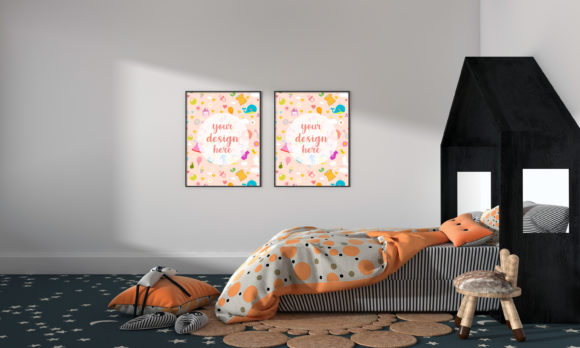
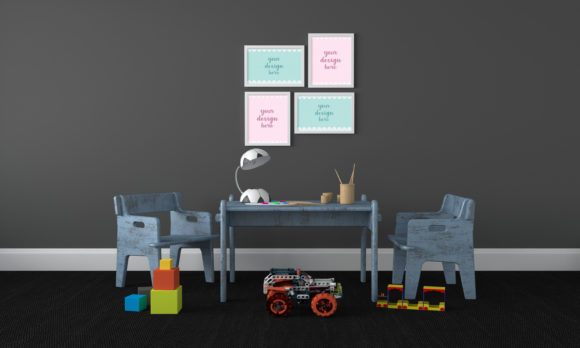
Such rooms often feature soft, natural materials, simple furniture, and carefully chosen decorative items that reflect the child’s personality. A key element is the use of empty frames or wall mockups, which allow for easy updates and personalization over time.
Why It Matters to Different Audiences
The appeal of a minimalist and colorful room for kids varies depending on who is involved. For parents, it might mean creating a safe, inspiring space where their child can grow and learn. For educators, it could be about designing classrooms that promote focus and creativity. For artists and designers, it may represent a way to showcase work in an engaging, visually appealing setting.
Business owners, bloggers, and social media creators often look for ways to present their designs effectively. A 3D rendering of a minimalist and colorful room for kids provides a powerful tool for visual storytelling, marketing, and branding. It helps convey ideas quickly and professionally, making it easier to connect with audiences and clients.
How Beginners and Experienced Users Might Approach It
Beginners might start by focusing on the basics: choosing a neutral base, adding a few bold colors, and incorporating simple decor. They may rely on pre-designed templates or wall mockups to visualize the space without needing advanced design skills. On the other hand, experienced users might experiment with custom layouts, mixing textures, and layering colors to create a more dynamic environment.
For those new to design, a minimalist and colorful room for kids can be a great learning opportunity. It teaches the importance of balance, proportion, and intentionality in space planning. For professionals, it offers a chance to refine their visual communication and presentation skills.
Practical Uses Across Different Roles
Shop owners and entrepreneurs can use a 3D rendering of a minimalist and colorful room for kids to showcase products like wall art, frames, or furniture. By placing these items in a realistic setting, they can demonstrate how their offerings fit into a cohesive design. This not only attracts customers but also builds trust in the quality and aesthetics of the products.
Artists and creators might use the same concept to display their work in an inviting, modern context. A well-designed room can elevate the perception of their art, making it more appealing to potential buyers or collaborators. Bloggers and content creators can also benefit by using these visuals in their posts, helping to engage their audience with relatable, aspirational imagery.
Key Benefits for Different Priorities
When evaluating a minimalist and colorful room for kids, different people prioritize different aspects. For example:
- Ease of Use: A wall mockup with smart object layers makes it easy to add or change artwork without technical expertise.
- Cost: Reusable templates save money compared to hiring a designer or building from scratch.
- Quality: High-resolution images ensure that the final presentation looks professional and polished.
- Flexibility: The ability to customize the space allows for ongoing updates as a child grows or as trends change.
- Speed: Pre-made designs save time, allowing users to focus on other aspects of their projects.
Real-World Applications
Consider a small business owner who sells children's art supplies. By using a 3D rendering of a minimalist and colorful room for kids, they can show how their products fit into a real-life scenario. This helps customers visualize the end result and makes the purchase decision easier.
For a teacher looking to create a classroom environment, the same concept can be used to design a space that encourages learning and creativity. By incorporating bright colors and open areas, the room becomes both functional and inspiring.
Hobbyists and DIY enthusiasts might find value in using these templates to experiment with different styles. Whether they’re trying out new color schemes or testing out furniture arrangements, the flexibility of a minimalist and colorful room for kids makes it a versatile project.
Choosing the Right Tools for Your Needs
If you're looking to create or promote a minimalist and colorful room for kids, the right tools can make all the difference. A high-resolution 3D rendering with a PSD file gives you the freedom to edit and adapt the design as needed. This is especially useful for those who want to maintain control over their visual content without relying on external designers.
For those who prefer a simpler approach, a JPEG version of the scene can still serve as an effective marketing tool. It provides a clear, professional image that can be used across various platforms, from websites to social media posts.
Final Thoughts
A minimalist and colorful room for kids offers something for everyone. Whether you're a parent, educator, artist, or business owner, this concept can help you create a space that is both functional and beautiful. By using the right tools and resources, you can bring your vision to life without the need for extensive design experience or costly investments.
Take the time to explore what a minimalist and colorful room for kids could mean for your specific goals. With the right approach, it can become a valuable asset in your creative or professional journey.