Rabotnik: A Bold 3D Display Font for High-Impact Design
In the crowded landscape of digital and print media, capturing attention within seconds is a primary objective for designers. While minimalism has dominated interface design for years, there remains a persistent and growing demand for typography that commands presence. This is where Rabotnik enters the conversation. As a distinctive 3D decorative font, it offers a specific aesthetic utility that standard sans-serifs or serifs simply cannot replicate. For professionals ranging from marketing directors to independent creators, understanding the practical application of such a typeface is essential for determining its fit within a broader visual strategy.
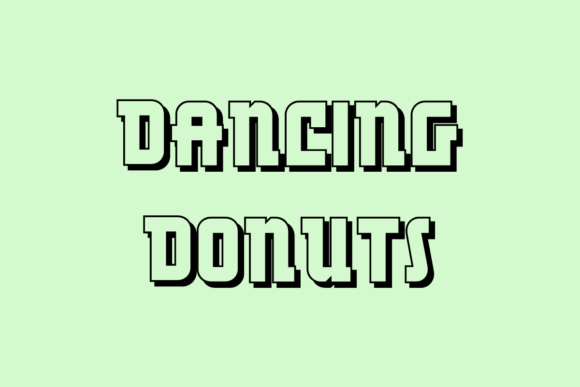
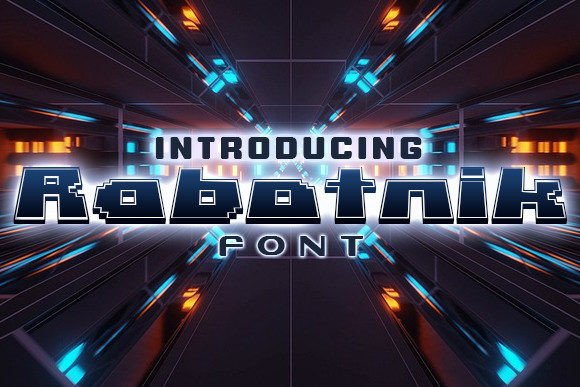
Rabotnik is not designed for body copy or long-form reading. Its architecture is built entirely around impact. The font features exaggerated three-dimensional extrusion, giving letters a tangible weight and depth that pops off the page or screen. This characteristic makes it an ideal candidate for headlines, logos, and short bursts of text where the goal is immediate visual engagement. When evaluating typography assets, one must consider not just how they look in isolation, but how they function within a layout. Rabotnik excels in environments where space is limited, but the need for emphasis is high.
Visual Characteristics and Structural Integrity
The defining feature of Rabotnik is its robust geometric construction combined with a stylized 3D effect. Unlike some decorative fonts that sacrifice legibility for flair, Rabotnik maintains a strong structural backbone. The letterforms are thick and blocky, ensuring that even at smaller display sizes, the characters remain distinct. The three-dimensional shading is baked into the design, providing a consistent light source and shadow profile across the entire alphabet. This consistency is crucial for professional workflows, as it eliminates the need for designers to manually apply layer styles or effects in software like Photoshop or Illustrator to achieve a 3D look.
Furthermore, the font possesses a retro-futuristic quality. It echoes the bold typography seen in mid-century posters and arcade signage while feeling fresh enough for modern branding. This duality allows it to bridge generational gaps in audience appeal. For a marketer targeting both Gen Z and Millennials, Rabotnik can serve as a unifying visual element that feels nostalgic yet contemporary. The sharp edges and clean lines prevent the 3D effect from appearing muddy or outdated, a common pitfall in many decorative typefaces.
Practical Applications in Marketing and Branding
The true value of Rabotnik becomes apparent when applied to real-world projects. Its primary strength lies in short-form communication. Consider the requirements of a concert flyer or a festival poster. These mediums require information hierarchy where the event name must dominate the visual field. Rabotnik provides the necessary gravity to anchor such designs. Similarly, in the realm of social media graphics, where users scroll rapidly through feeds, a headline set in Rabotnik acts as a visual stopper.
For small business owners and entrepreneurs creating their own promotional materials, this font reduces the complexity of design. Instead of struggling to make a flat font stand out against a busy background, the inherent depth of Rabotnik creates natural separation. It works exceptionally well on merchandise as well. T-shirt designs, tote bags, and stickers benefit from the bold strokes, which translate well to screen printing and vinyl cutting processes. The thickness of the characters ensures that fine details are not lost during production, a practical consideration often overlooked in purely digital evaluations.
- Event Promotion: Ideal for nightclub flyers, music festival lineups, and workshop banners where energy needs to be conveyed instantly.
- Digital Advertising: Effective in banner ads and social media headers where click-through rates depend on immediate visual recognition.
- Packaging Design: Suitable for limited-edition product runs or streetwear labels that require a bold, statement-making logo.
- YouTube Thumbnails: The high contrast and 3D depth help titles stand out against complex video backgrounds.
Usability and Workflow Integration
From a technical standpoint, integrating Rabotnik into a design workflow is straightforward. It functions as a standard OpenType font, compatible with major design suites including Adobe Creative Cloud, Affinity Designer, and Canva. For freelancers and agencies managing multiple projects, reliability is key. Rabotnik delivers consistent kerning and spacing, reducing the time spent on manual adjustments. However, users should be aware that decorative fonts often require more attentive tracking (letter-spacing) than neutral fonts. Due to the 3D extrusion, letters placed too closely together may visually collide, obscuring the shape of the characters. A best practice when using Rabotnik is to slightly increase the tracking to allow the three-dimensional facets to breathe.
The font's versatility extends to color manipulation. Because the 3D effect is structural, it responds well to gradient fills and texture overlays. Designers can apply metallic gradients to simulate chrome or gold, or use flat, vibrant colors for a pop-art aesthetic. This flexibility allows the same typeface to adapt to different brand guidelines without losing its core identity. Whether the project requires a gritty, urban feel or a polished, corporate-bold look, Rabotnik can be styled to meet those needs through color and texture rather than needing a completely different font family.
Limitations and Strategic Considerations
While Rabotnik is a powerful tool, it is not a universal solution. Professional objectivity requires acknowledging its limitations. The most significant constraint is readability over long distances or in small bodies of text. Attempting to use Rabotnik for paragraphs, captions, or detailed instructions would result in poor user experience and eye fatigue. The heavy visual weight that makes it excellent for headlines becomes a liability in dense text blocks. Therefore, it should always be paired with a highly legible, neutral sans-serif or serif font for supporting information.
Additionally, the specific style of Rabotnik may not align with every brand voice. Companies aiming for a tone of extreme subtlety, luxury minimalism, or traditional conservatism might find the 3D aesthetic too aggressive or playful. It is a font that speaks loudly; if the brand strategy requires a whisper, this asset is not the appropriate choice. Educators and publishers creating academic materials should also exercise caution, reserving the font strictly for cover pages or section dividers rather than educational content where clarity is paramount.
Long-Term Value for Creative Professionals
Investing in a specialized typeface like Rabotnik adds a unique weapon to a designer's arsenal. In an industry where trends cycle rapidly, having access to high-quality display fonts ensures that portfolios remain diverse and capable of tackling varied briefs. For bloggers and content creators, owning a license for such a font means maintaining brand consistency across years of content creation without relying on overused system fonts or generic free alternatives that lack character.
The durability of Rabotnik lies in its classic 3D form. While specific stylistic flourishes may date a font, the fundamental concept of extruded typography has remained relevant in advertising and design for decades. This suggests that Rabotnik will not feel obsolete next year. It offers a sustainable return on investment for those who frequently produce visual content. By providing a ready-made solution for high-impact headers, it streamlines the creative process, allowing professionals to focus on composition and messaging rather than wrestling with typography effects.
Ultimately, Rabotnik serves a specific, high-value niche. It is a tool for amplification. When used with intention and paired with complementary design elements, it transforms ordinary layouts into striking visual statements. For the pragmatic creator, the decision to utilize Rabotnik comes down to the specific goals of the project. If the objective is to grab attention, convey energy, and establish a bold presence, this 3D decorative font delivers on its promise with reliability and style.