Unlocking Creative Potential: A Guide to High-Resolution Seamless Fabric Textures and Mesh Patterns
In the rapidly evolving world of digital design, the difference between a good project and a great one often lies in the details. Specifically, it lies in the textures that bring flat images to life. Whether you are an architect visualizing a new building, a graphic designer creating a wedding invitation, or a hobbyist crafting miniature homes, the quality of your materials matters immensely. This is where Seamless Fabric Textures and high-resolution mesh packs become indispensable tools in your creative arsenal.
Understanding how to utilize these digital assets can transform your workflow, saving you time while elevating the realism and professional quality of your output. Let's explore what these textures are, why their technical specifications matter, and how they fit into modern creative industries ranging from 3D modeling to physical crafting.
What Are Seamless Fabric Textures?
At its core, a texture is a digital image applied to a 3D model or a 2D design to simulate the surface quality of an object. When we talk about Seamless Fabric Textures, we are referring to images specifically engineered so that when they are tiled (repeated) side-by-side or top-to-bottom, no visible seams or breaks appear. The pattern flows infinitely, creating the illusion of a continuous piece of material.
This "seamless" quality is crucial for several reasons. In architectural drawings or floor planning, you rarely know the exact dimensions of the surface you are covering beforehand. A seamless texture allows you to stretch an image across a massive wall or a sprawling floor plan without it looking pixelated or repetitive in an obvious way. Similarly, in web backgrounds, a small seamless file can cover a screen of any size efficiently, ensuring fast load times without sacrificing visual fidelity.
The Importance of Resolution and Scale
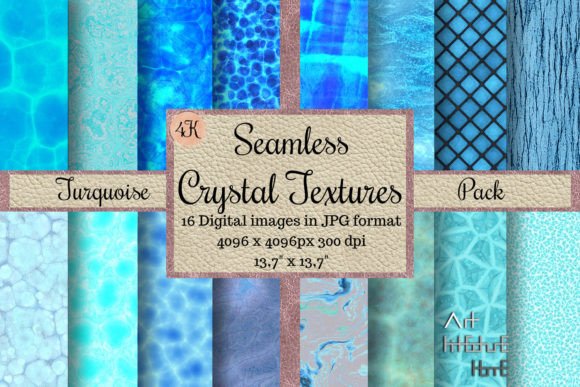
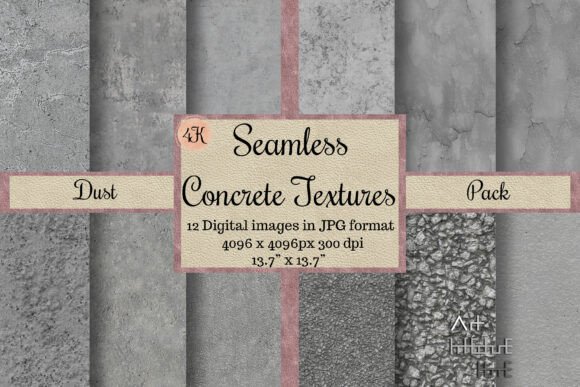
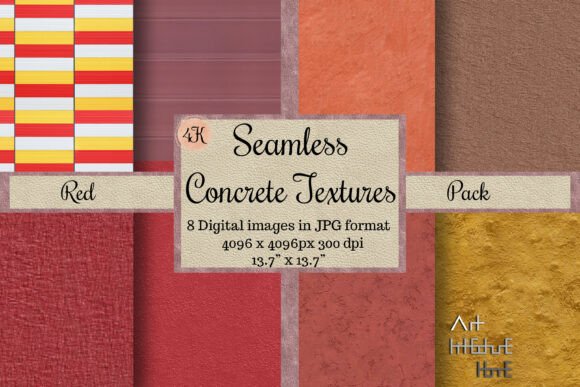
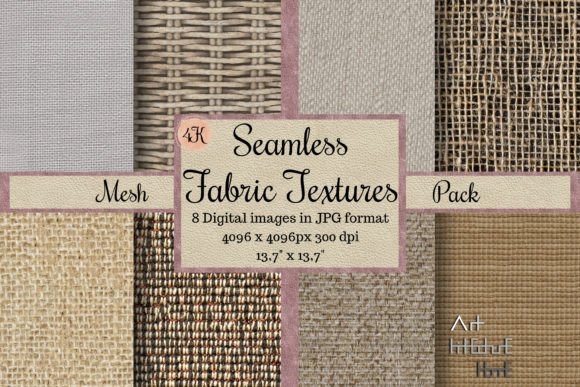
Not all textures are created equal. The utility of a texture pack is heavily dependent on its resolution and physical dimensions. The specific pack we are discussing here features 8 Seamless Fabric Patterns rendered in stunning 4K Resolution. To put this into perspective, each image measures 4096 x 4096 pixels.
But resolution isn't just about pixel count; it's about print quality. These files boast a 300 DPI (dots per inch) resolution. In the printing industry, 300 DPI is the gold standard for high-quality output. Each image in this pack covers a physical area of 13.7 x 13.7 inches (34.8 cm x 34.8 cm) at this maximum quality. Why does this matter?
- Large Prints: If you intend to print these designs on posters, banners, or large format art, low-resolution images will look blurry or blocky. A 300 DPI file ensures crisp edges and clear details even when enlarged.
- Close-Up Details: For realistic fabric tissue simulations or 3D fabric material renders, viewers often zoom in. High resolution captures the intricate weave of the mesh, the grain of the straw, or the fiber of the cloth, adding a layer of tactile realism that low-res images simply cannot achieve.
- Versatility: Because the source file is so large and detailed, you can scale it down for small projects like stickers or vinyl decals without losing any data.
Bridging the Digital and Physical Worlds
One of the most exciting aspects of modern digital paper and texture packs is their dual utility. They are not confined to computer screens; they bridge the gap between digital design and physical crafting.
Consider the realm of Printable Scrapbook and cards Invitation objects. Crafters often look for unique patterns that stand out from mass-produced store-bought paper. With a high-quality Mesh Pack or straw fabric Background, you can print custom papers at home or via a professional service. These can be used for decoupage, creating layered art pieces, or designing bespoke wedding props.
Furthermore, the rise of automated cutting machines has revolutionized DIY culture. Files from this pack are perfectly suited for use with Cricut and other cut machines. Whether you are making vinyl decals for a car window, creating intricate engraving patterns for wood or acrylic, or cutting out shapes for a dollhouse sheet, the clarity of a 4K image ensures the machine reads the lines accurately. This precision is vital when working on miniature homes sheets, where a fraction of a millimeter can disrupt the scale and realism of the model.
Applications in 3D Modeling and Architecture
For professionals in technology and design, such as those using Blender, SketchUp, or other rendering engines, these textures are foundational building blocks. A common misconception is that any image can serve as a Blender texture or SketchUp texture. However, using non-seamless or low-DPI images often results in "tiling artifacts"—visible grid lines that break the immersion of the render.
When creating a 3D texture for a video game asset or an architectural visualization, artists rely on texturepacker tools and libraries like texturehaven or cgtexture to find reliable assets. This specific collection serves as a robust texture pack for various needs:
- Interior Design: Apply the mesh patterns to sofas, curtains, or carpets to visualize how light interacts with different weaves.
- Exterior Rendering: Use the wall texture art or texture canvas options to clad building exteriors realistically.
- Product Visualization: Wrap products in realistic packaging materials using the texture paper variants.
It is worth noting the semantic breadth of terms used in this industry. You might search for "Free texture" or "Cg textures" hoping to find similar quality, but premium packs like this one offer guaranteed consistency in lighting and scale, which is essential for professional cg textures work. While terms like "Grass texture" or "Desert texture" refer to environmental elements, fabric textures focus on the man-made environment, yet the principle of high-fidelity tiling remains the same.
Maximizing Your Creative Workflow
Integrating these Textile Digital Papers into your daily activities can streamline your process. Instead of spending hours photographing fabrics, correcting lighting, and editing out shadows to create your own library, you have immediate access to eight distinct, ready-to-use patterns. This efficiency allows you to focus on the creative aspect of your project rather than the technical preparation.
For educators and students, these resources are invaluable for teaching principles of design, pattern recognition, and material science. In a classroom setting, projecting a 3d texture onto a model can help students understand how surface roughness affects light reflection. For business owners, having access to unique printable designs means you can create branded merchandise or marketing materials that look distinctively professional.
Common Misunderstandings About Digital Textures
A frequent point of confusion for beginners is the difference between a "pattern" and a "texture." A pattern is often a vector-based repeating design, whereas a texture includes surface information—bumps, grains, and fibers. The Mesh Pack described here offers the best of both worlds: the repeatability of a pattern with the depth and realism of a photographed texture.
Another assumption is that high resolution always means huge file sizes that slow down computers. However, because these are optimized seamless format images, they are efficient. You only need one tile to cover an infinite surface, meaning your software doesn't need to load gigabytes of image data to render a large floor or wall.
Conclusion: Elevate Your Projects Today
The intersection of art and technology has never been more accessible. With tools like Seamless Fabric Textures, high-definition mesh packs, and versatile digital papers, the barrier to creating professional-grade visuals is lower than ever. Whether you are aiming for the hyper-realism required in Blender material creation, the precision needed for laser engraving, or the aesthetic charm of a handcrafted scrapbooking page, the right texture makes all the difference.
This collection of 8 seamless fabric textures, with their generous 13.7 x 13.7 inch dimensions and 300 dpi clarity, represents a versatile resource for creators across all disciplines. From web backgrounds to architectural drawings, and from wedding props to miniature homes, the applications are limited only by your imagination.
By understanding the value of resolution, the power of seamless tiling, and the broad applicability of these files, you can make more informed decisions about the assets you use in your work. Embrace these tools to add depth, realism, and professionalism to your next project. Thanks for visiting, and remember, for more details on how to integrate these textures into your specific workflow, you may message me. Happy creating!